Blog
Listening Devices Help Crews Find Hidden Water Leaks
Water crews are using listening devices pressed against pipes and pavements to find hidden leaks long before they burst and flood a street without.

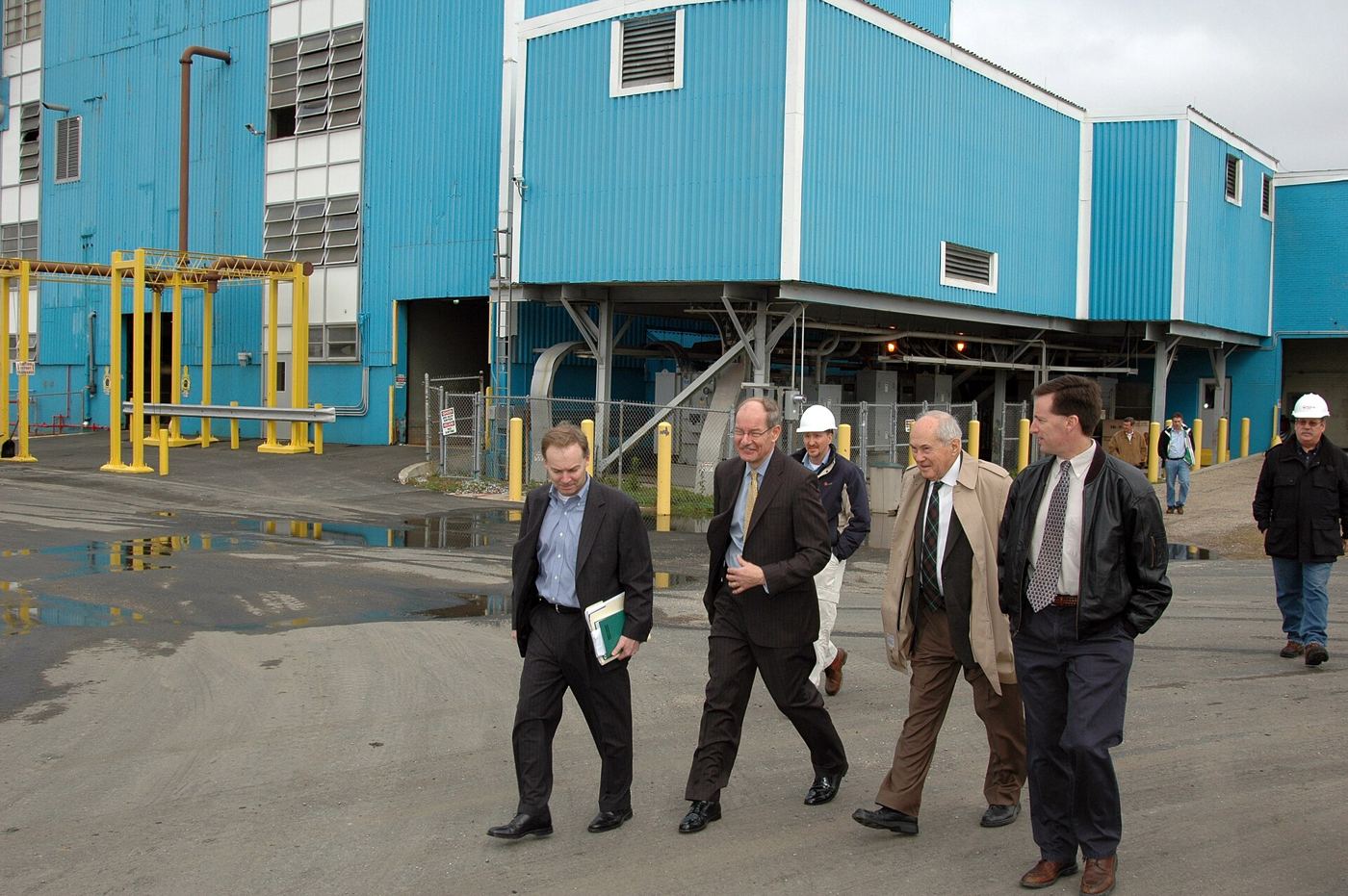
Water crews are using listening devices pressed against pipes and pavements to find hidden leaks long before they burst and flood a street without warning. Acoustic sensors can detect the faint hiss of escaping water underground, allowing engineers to pinpoint a failing section and dig in one precise place. Utilities say early detection saves enormous volumes of treated water that would otherwise soak silently into the ground for weeks on end beneath busy streets.
What the Evidence Shows
Repair teams combine those sound readings with pressure data and ground microphones to separate genuine leaks from ordinary traffic and household noise that can mislead inexperienced operators. Once located, many faults can be fixed with smaller excavations, shortening road closures and reducing disruption for nearby homes and businesses waiting for normal supply. Companies are publishing leak-repair targets more openly as regulators press the sector to waste less water during dry periods. Reporting and analysis from sources such as Associated Press track the same developments, and specialists following acoustic water leak detection say the direction is now consistent across independent lines of evidence.
The Wider Context
Regional and local reporting on acoustic water leak detection often tells a different story from national coverage, because the effects land unevenly: one town’s pilot is another’s distant proposal. Analysts who follow the subject full-time read the local data first, arguing that national averages conceal the variation that decides whether a policy or a project deserves to spread.
What Happens Next
The longer story of acoustic water leak detection is still being written by the people closest to it, whose experience rarely matches the earliest predictions of either supporters or critics. Reporting will continue to follow the evidence as it accumulates, including where it complicates today’s account. That is the deal serious coverage makes with its readers, and it holds for this subject as for any other. You can follow related developments in our coverage of news.
It is also worth remembering how quickly the picture in this area has changed before. Positions that looked settled a few years ago have been revised as new data arrived, and the same humility is appropriate now. The strongest coverage of this subject, and the most useful advice, tends to come from sources that update their views openly when the facts move, rather than defending an earlier position long after it has stopped fitting the evidence available.
None of this will be settled by a single announcement, study or product launch. The pattern to watch is accumulation: independent confirmations, honest reporting of failures and steady improvement in the underlying numbers. Readers who follow those signals, rather than the loudest claim of the week, will understand this subject better than most of the commentary surrounding it suggests is possible.
There is a practical lesson in all of this for readers deciding what to do today. Start with the verified facts, be wary of anyone promising certainty, and prefer reversible steps while the evidence is still developing. Circumstances differ by country, income and personal situation, so general guidance should always be weighed against your own context before you act on it in any significant or lasting way.

Not long ago, almost every digital task meant installing a program. You downloaded an editor to resize a photo, a converter to change a file format, and a separate utility for everything else. Today the browser has quietly taken over that role. Online tools now handle the majority of everyday jobs faster, with nothing to install and nothing to update.
No Installation, No Maintenance
The biggest advantage is simple: there is nothing to set up. A web-based tool opens in seconds, works on any operating system, and is always the latest version. There are no licence keys to manage, no compatibility surprises after an update, and no storage space eaten by programs you open twice a year. For occasional tasks — compressing a PDF, converting a document, merging files — installing dedicated software makes little sense when a browser tab does the same job.
Collections such as Tools Region bring dozens of these utilities together in one place, which removes the other old headache: hunting through search results and hoping the site you land on is safe and actually free.
Works Wherever You Work
Because online tools live in the browser, they follow you. Start a task on an office desktop, check it on a laptop at home, or finish it on a tablet — the tool is identical everywhere. Files move with a quick upload and download, and there is no difference between Windows, macOS, Linux or ChromeOS. Teams benefit as well, because everyone uses the same version of the same tool, which removes a whole class of “it works on my machine” problems.
When Desktop Software Still Wins
Desktop programs are not dead. Professional video editing, large-scale design work and heavy data processing still belong in installed applications that can use all of a machine’s power and work fully offline. The sensible approach is a mix: keep the heavyweight software for heavyweight jobs, and let online tools absorb the long tail of small, frequent tasks. For most people, that balance saves money, time and a surprising amount of frustration.
Choosing Tools You Can Trust
Not every free tool deserves your files. Before uploading anything sensitive, check that the site uses a secure connection, states how long files are kept, and does not demand an account for basic jobs. Prefer tools that work instantly without sign-up walls, show no misleading download buttons, and produce clean results without watermarks. A few minutes of vetting once is worth it: the tools you settle on will handle hundreds of small jobs over the year, and a trustworthy set quietly becomes part of how your whole computer feels — fast, light and under your control.
Blog
Fire Crews Train for Electric Vehicle Battery Fires
On a training ground at the edge of the city, firefighters in full protective kit are learning how a burning electric vehicle behaves differently.

On a training ground at the edge of the city, firefighters in full protective kit are learning how a burning electric vehicle behaves differently from a petrol car fire. Battery packs can reignite hours after flames appear to be out, and damaged cells release gases that demand careful ventilation and long cooling with large volumes of water. Instructors use a stripped training vehicle so crews can practise locating the battery, isolating power, and protecting nearby cars.
What the Evidence Shows
The exercises also cover what to tell bystanders, because curious onlookers often drift closer with phones out while crews are trying to establish a safe working cordon around the vehicle. After the flames are controlled, trainees practise thermal imaging checks and plan how the vehicle will be watched or transported without risking a second fire at a recovery yard. Fire services say the skills apply to buses, delivery vans, and cars alike as electric fleets grow. Reporting and analysis from sources such as BBC News track the same developments, and specialists following firefighter electric vehicle fire training say the direction is now consistent across independent lines of evidence.
The Wider Context
The wider context is a public conversation conducted at a speed institutions were not built for. Developments around firefighter electric vehicle fire training are announced, contested and revised within a single news cycle, and the officials involved have learned to publish evidence alongside claims so that scrutiny can actually occur. Trust, the polling suggests, follows that transparency more than it follows confidence.
What Happens Next
What happens next in the story of firefighter electric vehicle fire training will be decided in the places where it is being implemented, measured and argued about in public. The officials and organisations involved have committed to publishing progress data, and that commitment gives residents, businesses and journalists something firmer than promises to judge. The next milestones are dated, which means they can be checked. You can follow related developments in our coverage of news.
None of this will be settled by a single announcement, study or product launch. The pattern to watch is accumulation: independent confirmations, honest reporting of failures and steady improvement in the underlying numbers. Readers who follow those signals, rather than the loudest claim of the week, will understand this subject better than most of the commentary surrounding it suggests is possible.
There is a practical lesson in all of this for readers deciding what to do today. Start with the verified facts, be wary of anyone promising certainty, and prefer reversible steps while the evidence is still developing. Circumstances differ by country, income and personal situation, so general guidance should always be weighed against your own context before you act on it in any significant or lasting way.
Blog
Indoor Market Halls Win Back Weekend Food Shoppers
Under the high arched roof of the indoor market hall, stallholders arranged pyramids of fruit, fresh bread, and cut flowers before the weekend.

Under the high arched roof of the indoor market hall, stallholders arranged pyramids of fruit, fresh bread, and cut flowers before the weekend rush began. Managers have added communal tables and a small coffee counter at the centre, encouraging visitors to linger, taste samples, and return to stalls for more. Traders say the hall now competes with supermarkets on atmosphere and trust, even if prices on some speciality items remain slightly higher than chains.
What the Evidence Shows
A waiting list for vacant stalls suggests confidence is returning, with young bakers and sauce makers applying alongside long-established butchers and greengrocers this autumn. The council is funding better lighting and clearer signage, after surveys showed first-time visitors often missed entire aisles hidden behind the central food court. Regulars hope improvements stay modest, preserving the noisy, personal character that makes the market feel different from a polished shopping centre nearby. Reporting and analysis from sources such as BBC News track the same developments, and specialists following indoor market food hall say the direction is now consistent across independent lines of evidence.
The Wider Context
The wider context is a public conversation conducted at a speed institutions were not built for. Developments around indoor market food hall are announced, contested and revised within a single news cycle, and the officials involved have learned to publish evidence alongside claims so that scrutiny can actually occur. Trust, the polling suggests, follows that transparency more than it follows confidence.
What Happens Next
What happens next in the story of indoor market food hall will be decided in the places where it is being implemented, measured and argued about in public. The officials and organisations involved have committed to publishing progress data, and that commitment gives residents, businesses and journalists something firmer than promises to judge. The next milestones are dated, which means they can be checked. You can follow related developments in our coverage of news.
None of this will be settled by a single announcement, study or product launch. The pattern to watch is accumulation: independent confirmations, honest reporting of failures and steady improvement in the underlying numbers. Readers who follow those signals, rather than the loudest claim of the week, will understand this subject better than most of the commentary surrounding it suggests is possible.
There is a practical lesson in all of this for readers deciding what to do today. Start with the verified facts, be wary of anyone promising certainty, and prefer reversible steps while the evidence is still developing. Circumstances differ by country, income and personal situation, so general guidance should always be weighed against your own context before you act on it in any significant or lasting way.
It is also worth remembering how quickly the picture in this area has changed before. Positions that looked settled a few years ago have been revised as new data arrived, and the same humility is appropriate now. The strongest coverage of this subject, and the most useful advice, tends to come from sources that update their views openly when the facts move, rather than defending an earlier position long after it has stopped fitting the evidence available.

Why Online Tools Are Replacing Desktop Software for Everyday Tasks

Listening Devices Help Crews Find Hidden Water Leaks

Fire Crews Train for Electric Vehicle Battery Fires

Blockchain Traceability Targets Faster, Smaller Recalls

Indoor Market Halls Win Back Weekend Food Shoppers

Adults’ Digital-Skills Classes Fill Up at Local Training Centres

Voice Assistants Learn to Handle Follow-Up Questions in One Conversation

14 ExtraTorrent Proxy | Unblock All Extratorrents Sites

Facebook VIP Cover Photos

Jay Bhim Bio For Instagram

क्षत्रिय Bio For Instagram in Hindi

How to Fix a Redgifs Not Loading Issue: A Step-by-Step Guide

Instagram Bio Marathi

Islamic Bio For Instagram

 Tech2 years ago
14 ExtraTorrent Proxy | Unblock All Extratorrents Sites
- Facebook Bio2 years ago
Facebook VIP Cover Photos
- Instagram Bio2 years ago
Jay Bhim Bio For Instagram
- Instagram Bio2 years ago
क्षत्रिय Bio For Instagram in Hindi
- LATEST NEWS2 years ago
How to Fix a Redgifs Not Loading Issue: A Step-by-Step Guide
- Instagram Bio2 years ago
Instagram Bio Marathi
- Instagram Bio2 years ago
Islamic Bio For Instagram
- Tech2 years ago
Socialmediagirls Forums: A Great Way to Find New Friends