Blog
Park Entrances Get Clearer Signs to Help First-Time Visitors
Park entrances are getting clearer signs designed to help first-time visitors find their way without wandering or missing the best parts of each.

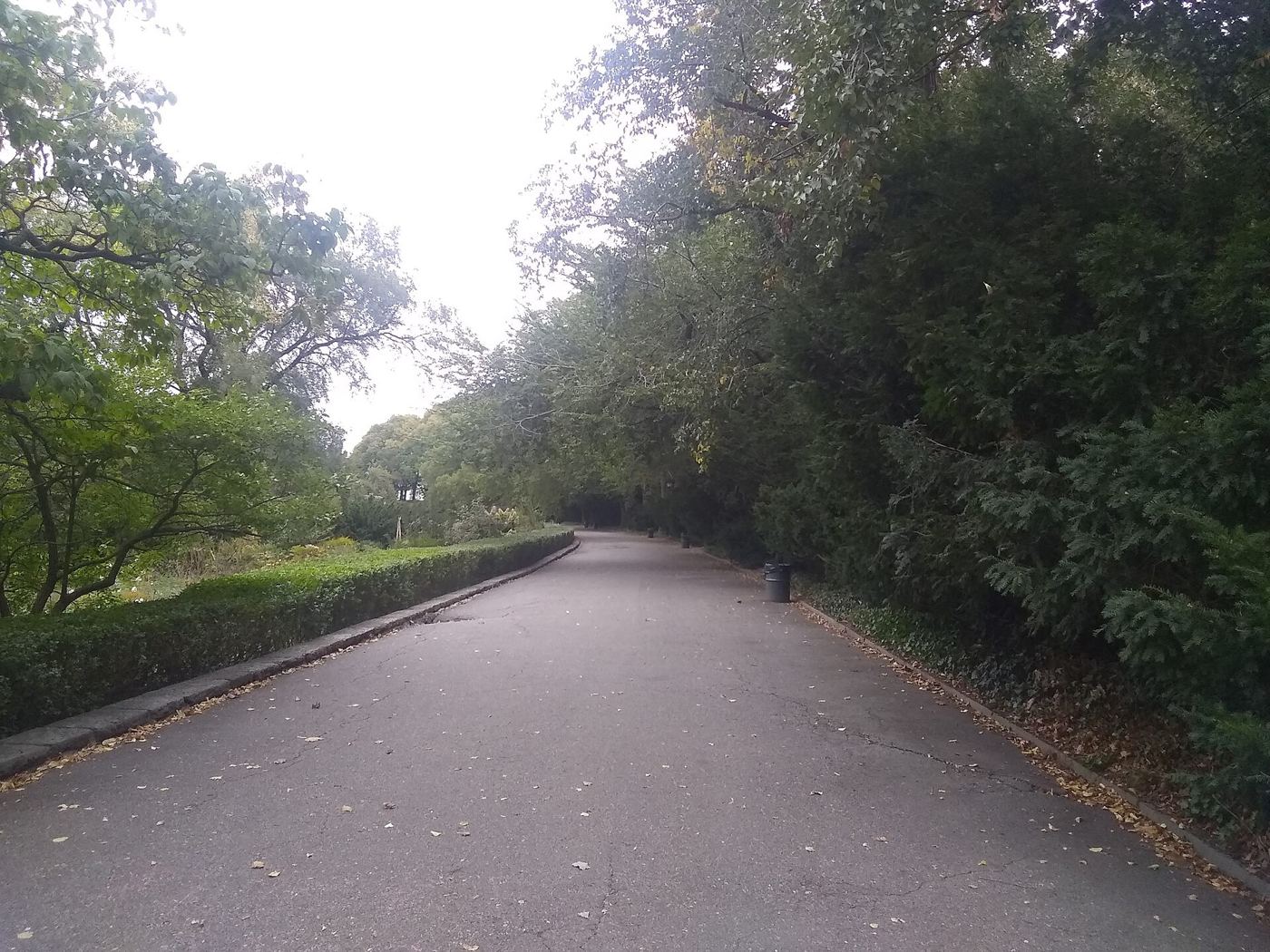
Park entrances are getting clearer signs designed to help first-time visitors find their way without wandering or missing the best parts of each green space. The new boards show simple maps with toilets, cafes, play areas, drinking water and step-free routes marked in plain language, replacing faded notices that listed rules but little useful information. Designers have used larger lettering and symbols tested with partially sighted visitors, and each map is oriented to the direction the reader is actually facing, a small detail that prevents the familiar confusion of turning a map around. QR codes link to the same information in several languages and in audio form for people who prefer to listen. Regular visitors say the signs also settle common questions from strangers, freeing rangers to deal with real problems. The programme began with the parks that receive the most visitors from outside the neighbourhood. The first boards were installed this week, and staff are watching how visitors use them before finalising the rest.
What the Evidence Shows
Friends groups helped choose what deserved marking, arguing that community gardens, sports pitches and quiet areas matter as much as headline attractions. Specialists following clearer park entrance signs say good wayfinding spreads visitors more evenly, reducing wear on the busiest paths and lawns. Damaged or outdated boards will be reported through the same system residents use for park faults. Designers also left space on each board for seasonal notices, such as event days or path closures. The remaining entrances are scheduled for new signs during the next maintenance round. Rangers will monitor whether the signs reduce the number of visitors arriving at locked side gates or closed facilities. The design team tested draft boards in the parks before ordering the full set, changing two symbols that visitors consistently misunderstood. That testing, they say, cost little and prevented a confusing rollout across dozens of entrances at once. Reporting and analysis from sources such as Associated Press track the same developments, and specialists following clearer park entrance signs say the direction is now consistent across independent lines of evidence.
The Wider Context
Regional and local reporting on clearer park entrance signs often tells a different story from national coverage, because the effects land unevenly: one town’s pilot is another’s distant proposal. Analysts who follow the subject full-time read the local data first, arguing that national averages conceal the variation that decides whether a policy or a project deserves to spread.
What Happens Next
The longer story of clearer park entrance signs is still being written by the people closest to it, whose experience rarely matches the earliest predictions of either supporters or critics. Reporting will continue to follow the evidence as it accumulates, including where it complicates today’s account. That is the deal serious coverage makes with its readers, and it holds for this subject as for any other. You can follow related developments in our coverage of news.
It is also worth remembering how quickly the picture in this area has changed before. Positions that looked settled a few years ago have been revised as new data arrived, and the same humility is appropriate now. The strongest coverage of this subject, and the most useful advice, tends to come from sources that update their views openly when the facts move, rather than defending an earlier position long after it has stopped fitting the evidence available.
Blog
Library Reading Room Refurbishment Protects a Quiet City Treasure
One of the city’s quietest treasures is being carefully renewed, as a public library reading room undergoes refurbishment that promises better.
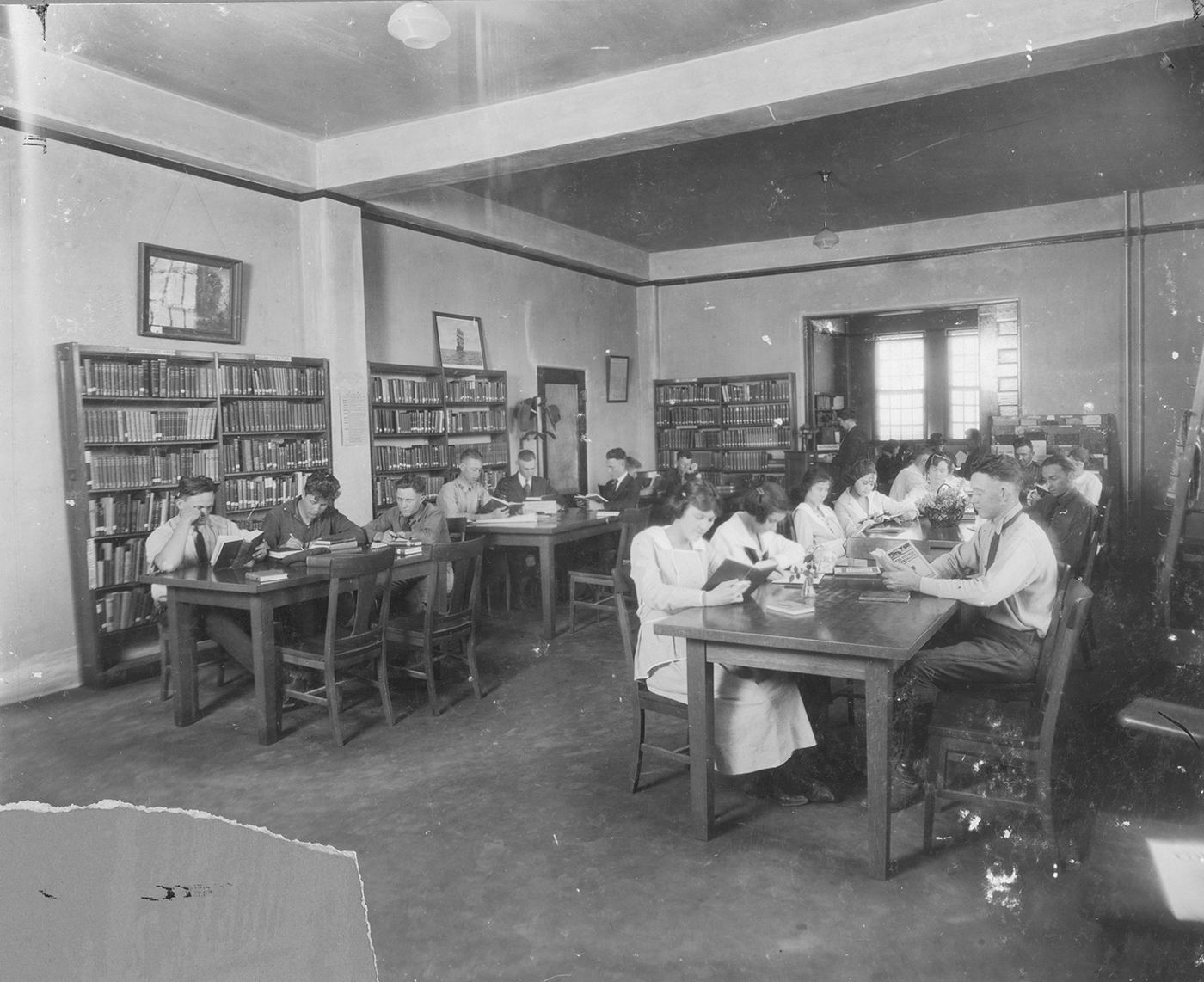
One of the city’s quietest treasures is being carefully renewed, as a public library reading room undergoes refurbishment that promises better light, warmer seating and desks fit for modern study. Librarians say the room’s character, its long tables, tall windows and hush, will be preserved, while worn wiring, heating and shelving are brought up to date. Readers will be offered temporary space elsewhere in the building during the work, and popular reference collections are being kept available rather than placed in storage. The project follows consultation in which users asked above all that the room should remain a place for unhurried reading. Donations and a local heritage grant are helping to fund the work, and a small exhibition about the room’s history will greet readers when they return to it.
What the Evidence Shows
Reading rooms serve a mixture of students, researchers, jobseekers and people who simply value a warm, free place to sit with a book or newspaper. The refurbishment adds more power points for laptops, improved lighting for older eyes and some bookable desks for group work at the edges of the room. Archivists have used the closure to check the local history collection, repairing bindings and improving catalogues so material is easier to request when the room reopens. Staff hope the refreshed space will welcome back loyal readers and attract new ones who have never considered the library a workplace. A reopening date will be confirmed once final checks on heating and fire systems are complete. Staff say enquiries about the room have already increased since the plans were displayed. Reporting and analysis from sources such as Associated Press track the same developments, and specialists following library reading room refurbishment say the direction is now consistent across independent lines of evidence.
The Wider Context
Regional and local reporting on library reading room refurbishment often tells a different story from national coverage, because the effects land unevenly: one town’s pilot is another’s distant proposal. Analysts who follow the subject full-time read the local data first, arguing that national averages conceal the variation that decides whether a policy or a project deserves to spread.
What Happens Next
The longer story of library reading room refurbishment is still being written by the people closest to it, whose experience rarely matches the earliest predictions of either supporters or critics. Reporting will continue to follow the evidence as it accumulates, including where it complicates today’s account. That is the deal serious coverage makes with its readers, and it holds for this subject as for any other. You can follow related developments in our coverage of news.
It is also worth remembering how quickly the picture in this area has changed before. Positions that looked settled a few years ago have been revised as new data arrived, and the same humility is appropriate now. The strongest coverage of this subject, and the most useful advice, tends to come from sources that update their views openly when the facts move, rather than defending an earlier position long after it has stopped fitting the evidence available.
Blog
Honeybees and Wild Pollinators Keep Gardens and Farms Blooming
On a warm morning, a honeybee moving from flower to flower is doing far more than collecting food for its colony.

On a warm morning, a honeybee moving from flower to flower is doing far more than collecting food for its colony. As pollen sticks to its body and brushes onto the next bloom, the bee helps plants produce seeds and fruit. Many garden crops and wildflowers depend on insects for this transfer, which is why pollinators attract so much scientific and public attention. Honeybees are the most familiar species, but bumblebees, solitary bees, butterflies and other insects also play important roles. Researchers study which flowers different pollinators visit, how far they travel and how weather, habitat loss and pesticide exposure affect their ability to survive and reproduce throughout each active season.
What the Evidence Shows
Protecting pollinators does not require a large farm or research budget. Leaving some flowers to bloom, providing shallow water, avoiding unnecessary insecticide use and planting a sequence of nectar rich plants across the seasons can all help in gardens and public spaces. Scientists caution against simple claims that one action will save bees, because pressures on pollinators are varied and differ by species and place. Monitoring schemes, where volunteers record insects they see, provide valuable evidence about population changes over time. Farmers are also experimenting with flower strips and hedgerows that support pollinators alongside productive fields. The picture is complex, but the central message is clear: diverse, flower rich habitats give pollinators a better chance. Reporting and analysis from sources such as NASA track the same developments, and specialists following honeybee flower pollen pollinators say the direction is now consistent across independent lines of evidence.
The Wider Context
Funding bodies are watching honeybee flower pollen pollinators closely because the work sits at the junction of basic curiosity and practical return. Grant panels increasingly ask for a path from discovery to application, while researchers push back that the most valuable uses of fundamental science are rarely the ones written into the original proposal. The tension is productive when both sides stay honest about timescales.
What Happens Next
The long view on honeybee flower pollen pollinators is that fields advance by accumulation rather than by single announcements. This result adds a solid, checkable piece to a structure many teams are building, and its authors have shared their data so the piece can be tested from every side. That is how the picture eventually becomes reliable enough to act on. You can follow related developments in our coverage of science.
It is also worth remembering how quickly the picture in this area has changed before. Positions that looked settled a few years ago have been revised as new data arrived, and the same humility is appropriate now. The strongest coverage of this subject, and the most useful advice, tends to come from sources that update their views openly when the facts move, rather than defending an earlier position long after it has stopped fitting the evidence available.
Blog
Renovated Market Halls Are Drawing Shoppers Back Into Struggling Town Centres
Renovated indoor market halls are drawing shoppers back into town centres that have struggled since large stores closed.

Renovated indoor market halls are drawing shoppers back into town centres that have struggled since large stores closed. The revived halls mix traditional butchers, bakers and repair stalls with street-food counters and small start-up units on short, affordable leases. Traders say the variety creates a reason to visit that no single shop can match, and lunchtime crowds now spill into surrounding streets. Councils backing the renovations argue that markets anchor footfall for nearby independent businesses too. Rents are kept graduated, rising as new stalls establish themselves, to stop the halls becoming exclusive food destinations.
What the Evidence Shows
Long-standing traders were involved in the redesigns, pressing for practical details such as storage, loading space and affordable stall fees over decorative features. Market managers say events, cookery demonstrations and evening openings are planned carefully so they support trading rather than turning the hall into a venue that happens to contain stalls. Early footfall counts are encouraging, but traders judge success by regular weekly customers, not opening-weekend crowds. The real test will be winter trading. If the halls hold their audiences then, they may offer a repeatable model for other towns. Reporting and analysis from sources such as BBC News track the same developments, and specialists following renovated market halls anchoring towns say the direction is now consistent across independent lines of evidence.
The Wider Context
The wider context is a public conversation conducted at a speed institutions were not built for. Developments around renovated market halls anchoring towns are announced, contested and revised within a single news cycle, and the officials involved have learned to publish evidence alongside claims so that scrutiny can actually occur. Trust, the polling suggests, follows that transparency more than it follows confidence.
What Happens Next
What happens next in the story of renovated market halls anchoring towns will be decided in the places where it is being implemented, measured and argued about in public. The officials and organisations involved have committed to publishing progress data, and that commitment gives residents, businesses and journalists something firmer than promises to judge. The next milestones are dated, which means they can be checked. You can follow related developments in our coverage of news.
None of this will be settled by a single announcement, study or product launch. The pattern to watch is accumulation: independent confirmations, honest reporting of failures and steady improvement in the underlying numbers. Readers who follow those signals, rather than the loudest claim of the week, will understand this subject better than most of the commentary surrounding it suggests is possible.
There is a practical lesson in all of this for readers deciding what to do today. Start with the verified facts, be wary of anyone promising certainty, and prefer reversible steps while the evidence is still developing. Circumstances differ by country, income and personal situation, so general guidance should always be weighed against your own context before you act on it in any significant or lasting way.

Park Entrances Get Clearer Signs to Help First-Time Visitors

Next Generation Phone Chips Put AI On The Device

TeraCopy: A Complete Guide to Faster, Verified File Copying on Windows

Library Reading Room Refurbishment Protects a Quiet City Treasure

A Shared Standard Is Making Smart Home Devices Work Together

Honeybees and Wild Pollinators Keep Gardens and Farms Blooming

Cold Storage Is Becoming the Sensible Default for Long-Term Holders

14 ExtraTorrent Proxy | Unblock All Extratorrents Sites

Facebook VIP Cover Photos

Jay Bhim Bio For Instagram

क्षत्रिय Bio For Instagram in Hindi

How to Fix a Redgifs Not Loading Issue: A Step-by-Step Guide

Instagram Bio Marathi

Socialmediagirls Forums: A Great Way to Find New Friends

 Tech2 years ago
14 ExtraTorrent Proxy | Unblock All Extratorrents Sites
- Facebook Bio2 years ago
Facebook VIP Cover Photos
- Instagram Bio2 years ago
Jay Bhim Bio For Instagram
- Instagram Bio2 years ago
क्षत्रिय Bio For Instagram in Hindi
- LATEST NEWS2 years ago
How to Fix a Redgifs Not Loading Issue: A Step-by-Step Guide
- Instagram Bio2 years ago
Instagram Bio Marathi
- Tech2 years ago
Socialmediagirls Forums: A Great Way to Find New Friends
- Instagram Bio2 years ago
Islamic Bio For Instagram