Blog
Council Service Centres Move Paper Forms Online While Keeping Counter Help
Council service centres are moving their most used paper forms online this year, while promising that counter help will remain for residents who.


Council service centres are moving their most used paper forms online this year, while promising that counter help will remain for residents who cannot or do not wish to deal with official paperwork on a screen. The first forms transferred cover common requests such as reporting missed collections, applying for permits, updating housing details and booking appointments, chosen because they generate the most queues and the most repeated questions at busy desks. Digital managers say the online versions were tested with residents before launch, including older users and people reading in a second language, and rewritten wherever testers stumbled over jargon or unclear questions during the trials. Submitting a form online now produces a reference number and a realistic timescale for a reply, two small things staff say transform how a request feels compared with handing paper into a tray and hoping. The change is expected to free counter staff for the complicated cases that genuinely need a conversation, such as disputed bills, urgent housing problems and applications involving several departments at once. Councils insist the programme is about adding a faster route, not quietly closing the door on people whose lives do not fit neatly into online systems designed far from the neighbourhoods they serve every day.
What the Evidence Shows
Libraries and community centres are hosting form help sessions each week, where staff sit beside residents and complete the actual application together rather than teaching abstract computer skills with no immediate purpose. That approach builds confidence quickly, because someone who has successfully submitted one real form is far more willing to try the next one alone at home. Paper forms remain available on request, and the councils publish the numbers to prove it, reporting how many requests arrive by each route so claims about access can be checked openly. Telephone lines have been kept for the same reason, with call handlers able to fill the digital form on a resident’s behalf during the call itself. Managers admit the early weeks brought the usual problems, including a form that rejected valid addresses and confirmation messages that landed in spam folders, and they credit front line staff for reporting faults quickly. The programme will be judged not by how many forms moved online, but by whether residents with the least digital confidence still get their problems solved promptly and with dignity intact. The next forms chosen for transfer will be picked from the same queue data, keeping the whole programme focused on the requests residents actually make most often throughout the year ahead of them. Reporting and analysis from sources such as Associated Press track the same developments, and specialists following council forms move online with counter help kept say the direction is now consistent across independent lines of evidence.
The Wider Context
Regional and local reporting on council forms move online with counter help kept often tells a different story from national coverage, because the effects land unevenly: one town’s pilot is another’s distant proposal. Analysts who follow the subject full-time read the local data first, arguing that national averages conceal the variation that decides whether a policy or a project deserves to spread.
What Happens Next
The longer story of council forms move online with counter help kept is still being written by the people closest to it, whose experience rarely matches the earliest predictions of either supporters or critics. Reporting will continue to follow the evidence as it accumulates, including where it complicates today’s account. That is the deal serious coverage makes with its readers, and it holds for this subject as for any other. You can follow related developments in our coverage of news.
Blog
Viewing Weekends Help Renters Compare New Homes Calmly
Viewing weekends are being organised to help renters compare new homes calmly, replacing rushed weekday appointments with unhurried slots where.

Viewing weekends are being organised to help renters compare new homes calmly, replacing rushed weekday appointments with unhurried slots where families can ask questions and picture daily life in each place. Housing teams say finding a home has become stressful for many renters, with homes let quickly and decisions expected on the spot. The weekend format groups several homes in one neighbourhood, provides clear information on rent, bills, transport and schools in advance and gives visitors time to revisit a favourite before deciding. Staff are encouraging viewers to check the practical details that matter in winter: heating, storage, laundry space, natural light and the walk to the bus stop after dark. Families say the calmer pace helps children have a say and lets everyone compare homes on the same day while impressions are fresh. Landlords taking part agree to hold homes for a short, clearly explained period rather than pressuring for instant commitments. Organisers hope the approach builds trust in a market where both renters and good landlords benefit from decisions made with open eyes.
What the Evidence Shows
Coordinators of calmer home viewing weekends say preparation is what makes them work, with accurate floor plans, honest photographs and total monthly costs shared before anyone travels. Checklists are provided so visitors compare like with like, from council tax bands to broadband speeds and bin days. Staff are on hand to explain tenancy terms in plain language and to note accessibility needs for follow-up viewings. Feedback from renters is shaping which homes are offered next, particularly the demand for small houses and ground-floor flats near transport. Landlords, in turn, meet reliable tenants face to face, which many say they value more than a fast, anonymous let. Any home not taken stays listed openly, with no penalty for viewers who decide it is not right. Organisers believe slower, clearer viewings lead to longer, happier tenancies, with fewer moves ending early because a home never really fitted the life lived in it. Reporting and analysis from sources such as Associated Press track the same developments, and specialists following calmer home viewing weekends say the direction is now consistent across independent lines of evidence.
The Wider Context
Regional and local reporting on calmer home viewing weekends often tells a different story from national coverage, because the effects land unevenly: one town’s pilot is another’s distant proposal. Analysts who follow the subject full-time read the local data first, arguing that national averages conceal the variation that decides whether a policy or a project deserves to spread.
What Happens Next
The longer story of calmer home viewing weekends is still being written by the people closest to it, whose experience rarely matches the earliest predictions of either supporters or critics. Reporting will continue to follow the evidence as it accumulates, including where it complicates today’s account. That is the deal serious coverage makes with its readers, and it holds for this subject as for any other. You can follow related developments in our coverage of news.
It is also worth remembering how quickly the picture in this area has changed before. Positions that looked settled a few years ago have been revised as new data arrived, and the same humility is appropriate now. The strongest coverage of this subject, and the most useful advice, tends to come from sources that update their views openly when the facts move, rather than defending an earlier position long after it has stopped fitting the evidence available.
Blog
Park Entrances Get Clearer Signs to Help First-Time Visitors
Park entrances are getting clearer signs designed to help first-time visitors find their way without wandering or missing the best parts of each.

Park entrances are getting clearer signs designed to help first-time visitors find their way without wandering or missing the best parts of each green space. The new boards show simple maps with toilets, cafes, play areas, drinking water and step-free routes marked in plain language, replacing faded notices that listed rules but little useful information. Designers have used larger lettering and symbols tested with partially sighted visitors, and each map is oriented to the direction the reader is actually facing, a small detail that prevents the familiar confusion of turning a map around. QR codes link to the same information in several languages and in audio form for people who prefer to listen. Regular visitors say the signs also settle common questions from strangers, freeing rangers to deal with real problems. The programme began with the parks that receive the most visitors from outside the neighbourhood. The first boards were installed this week, and staff are watching how visitors use them before finalising the rest.
What the Evidence Shows
Friends groups helped choose what deserved marking, arguing that community gardens, sports pitches and quiet areas matter as much as headline attractions. Specialists following clearer park entrance signs say good wayfinding spreads visitors more evenly, reducing wear on the busiest paths and lawns. Damaged or outdated boards will be reported through the same system residents use for park faults. Designers also left space on each board for seasonal notices, such as event days or path closures. The remaining entrances are scheduled for new signs during the next maintenance round. Rangers will monitor whether the signs reduce the number of visitors arriving at locked side gates or closed facilities. The design team tested draft boards in the parks before ordering the full set, changing two symbols that visitors consistently misunderstood. That testing, they say, cost little and prevented a confusing rollout across dozens of entrances at once. Reporting and analysis from sources such as Associated Press track the same developments, and specialists following clearer park entrance signs say the direction is now consistent across independent lines of evidence.
The Wider Context
Regional and local reporting on clearer park entrance signs often tells a different story from national coverage, because the effects land unevenly: one town’s pilot is another’s distant proposal. Analysts who follow the subject full-time read the local data first, arguing that national averages conceal the variation that decides whether a policy or a project deserves to spread.
What Happens Next
The longer story of clearer park entrance signs is still being written by the people closest to it, whose experience rarely matches the earliest predictions of either supporters or critics. Reporting will continue to follow the evidence as it accumulates, including where it complicates today’s account. That is the deal serious coverage makes with its readers, and it holds for this subject as for any other. You can follow related developments in our coverage of news.
It is also worth remembering how quickly the picture in this area has changed before. Positions that looked settled a few years ago have been revised as new data arrived, and the same humility is appropriate now. The strongest coverage of this subject, and the most useful advice, tends to come from sources that update their views openly when the facts move, rather than defending an earlier position long after it has stopped fitting the evidence available.
Blog
Library Reading Room Refurbishment Protects a Quiet City Treasure
One of the city’s quietest treasures is being carefully renewed, as a public library reading room undergoes refurbishment that promises better.
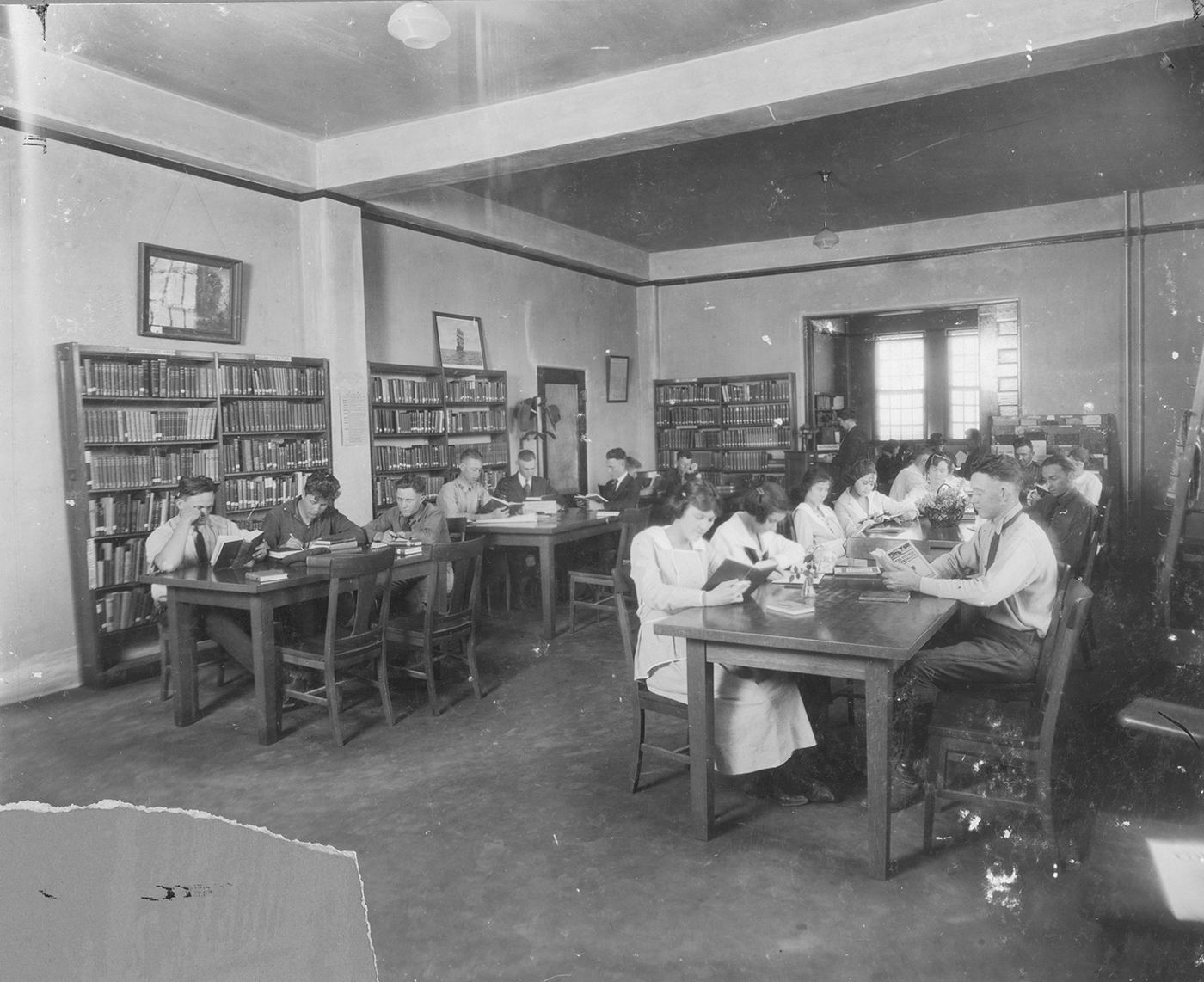
One of the city’s quietest treasures is being carefully renewed, as a public library reading room undergoes refurbishment that promises better light, warmer seating and desks fit for modern study. Librarians say the room’s character, its long tables, tall windows and hush, will be preserved, while worn wiring, heating and shelving are brought up to date. Readers will be offered temporary space elsewhere in the building during the work, and popular reference collections are being kept available rather than placed in storage. The project follows consultation in which users asked above all that the room should remain a place for unhurried reading. Donations and a local heritage grant are helping to fund the work, and a small exhibition about the room’s history will greet readers when they return to it.
What the Evidence Shows
Reading rooms serve a mixture of students, researchers, jobseekers and people who simply value a warm, free place to sit with a book or newspaper. The refurbishment adds more power points for laptops, improved lighting for older eyes and some bookable desks for group work at the edges of the room. Archivists have used the closure to check the local history collection, repairing bindings and improving catalogues so material is easier to request when the room reopens. Staff hope the refreshed space will welcome back loyal readers and attract new ones who have never considered the library a workplace. A reopening date will be confirmed once final checks on heating and fire systems are complete. Staff say enquiries about the room have already increased since the plans were displayed. Reporting and analysis from sources such as Associated Press track the same developments, and specialists following library reading room refurbishment say the direction is now consistent across independent lines of evidence.
The Wider Context
Regional and local reporting on library reading room refurbishment often tells a different story from national coverage, because the effects land unevenly: one town’s pilot is another’s distant proposal. Analysts who follow the subject full-time read the local data first, arguing that national averages conceal the variation that decides whether a policy or a project deserves to spread.
What Happens Next
The longer story of library reading room refurbishment is still being written by the people closest to it, whose experience rarely matches the earliest predictions of either supporters or critics. Reporting will continue to follow the evidence as it accumulates, including where it complicates today’s account. That is the deal serious coverage makes with its readers, and it holds for this subject as for any other. You can follow related developments in our coverage of news.
It is also worth remembering how quickly the picture in this area has changed before. Positions that looked settled a few years ago have been revised as new data arrived, and the same humility is appropriate now. The strongest coverage of this subject, and the most useful advice, tends to come from sources that update their views openly when the facts move, rather than defending an earlier position long after it has stopped fitting the evidence available.

Developers Adopt Review Checklists That Catch Accessibility Faults Early

Council Service Centres Move Paper Forms Online While Keeping Counter Help

Viewing Weekends Help Renters Compare New Homes Calmly

Humanoid Robots Learn Warehouse Tasks in Careful Laboratory Trials

Park Entrances Get Clearer Signs to Help First-Time Visitors

Next Generation Phone Chips Put AI On The Device

TeraCopy: A Complete Guide to Faster, Verified File Copying on Windows

14 ExtraTorrent Proxy | Unblock All Extratorrents Sites

Facebook VIP Cover Photos

Jay Bhim Bio For Instagram

क्षत्रिय Bio For Instagram in Hindi

How to Fix a Redgifs Not Loading Issue: A Step-by-Step Guide

Instagram Bio Marathi

Islamic Bio For Instagram

 Tech2 years ago
14 ExtraTorrent Proxy | Unblock All Extratorrents Sites
- Facebook Bio2 years ago
Facebook VIP Cover Photos
- Instagram Bio2 years ago
Jay Bhim Bio For Instagram
- Instagram Bio2 years ago
क्षत्रिय Bio For Instagram in Hindi
- LATEST NEWS2 years ago
How to Fix a Redgifs Not Loading Issue: A Step-by-Step Guide
- Instagram Bio2 years ago
Instagram Bio Marathi
- Instagram Bio2 years ago
Islamic Bio For Instagram
- Tech2 years ago
Socialmediagirls Forums: A Great Way to Find New Friends