Business
Nasdaq Futures Jump 3% as Wall Street Attempts a Rebound After Rout
Nasdaq 100 futures rose about 3 percent on Monday November 23 2026, and S and P 500 futures gained about 2 percent, as Wall Street attempted a.


Nasdaq 100 futures rose about 3 percent on Monday November 23 2026, and S and P 500 futures gained about 2 percent, as Wall Street attempted a rebound after its worst week since March 2020. The Nasdaq Composite had plunged 5.3 percent on Friday to 22617, falling 10 percent over the week, while the S and P 500 dropped 3.7 percent to 6910 and entered correction territory. Futures on the Dow Jones Industrial Average gained about 1.9 percent, or nearly 800 points, in early trading. The recovery was helped by Asian authorities stepping in to support their own markets, with China cutting margin requirements and state funds buying a record amount of exchange traded funds.
What the Evidence Shows
The rebound came after a week in which world shares fell 8.1 percent and the Nasdaq gave up all of its gains for 2026, driven by Nvidia’s leadership crisis, a weak debut for Anthropic’s record listing, and a Federal Reserve that is still raising rates. A gauge of expected Nasdaq 100 volatility stands at its highest since April 2020, a sign of how nervous investors remain. Nvidia rose about 8.5 percent in premarket trading after falling 14 percent on Friday, while Anthropic gained about 3 percent after closing at 88.90 dollars. The test now is whether the bounce holds when American markets open, or whether it proves to be a brief pause in a deeper selloff. Reporting and analysis from sources such as World Bank track the same developments, and specialists following Nasdaq futures jumping 3 percent say the direction is now consistent across independent lines of evidence.
The Wider Context
For households and small firms, Nasdaq futures jumping 3 percent matters through prices and access rather than through market commentary. Changes at this level arrive as a rate on an offer letter, a fee on a statement or a product that quietly disappears from a comparison table. Consumer groups argue that transparency at exactly that point of decision is worth more than any amount of market-level reporting.
What Happens Next
The outlook for Nasdaq futures jumping 3 percent hinges on policy choices that will be made in the open over the coming quarters. Market participants are positioned for more than one outcome, which is why the immediate reaction to each announcement has been smaller than the commentary around it. For ordinary savers and borrowers, the advice from every quarter is the same: review your own position, not the headlines. You can follow related developments in our coverage of finance.
It is also worth remembering how quickly the picture in this area has changed before. Positions that looked settled a few years ago have been revised as new data arrived, and the same humility is appropriate now. The strongest coverage of this subject, and the most useful advice, tends to come from sources that update their views openly when the facts move, rather than defending an earlier position long after it has stopped fitting the evidence available.
Business
Dollar Hits 19-Month High as Traders Bet on More Fed Hikes
The United States dollar has risen to its highest level since April 2025 as traders price in further interest rate rises from the Federal Reserve.
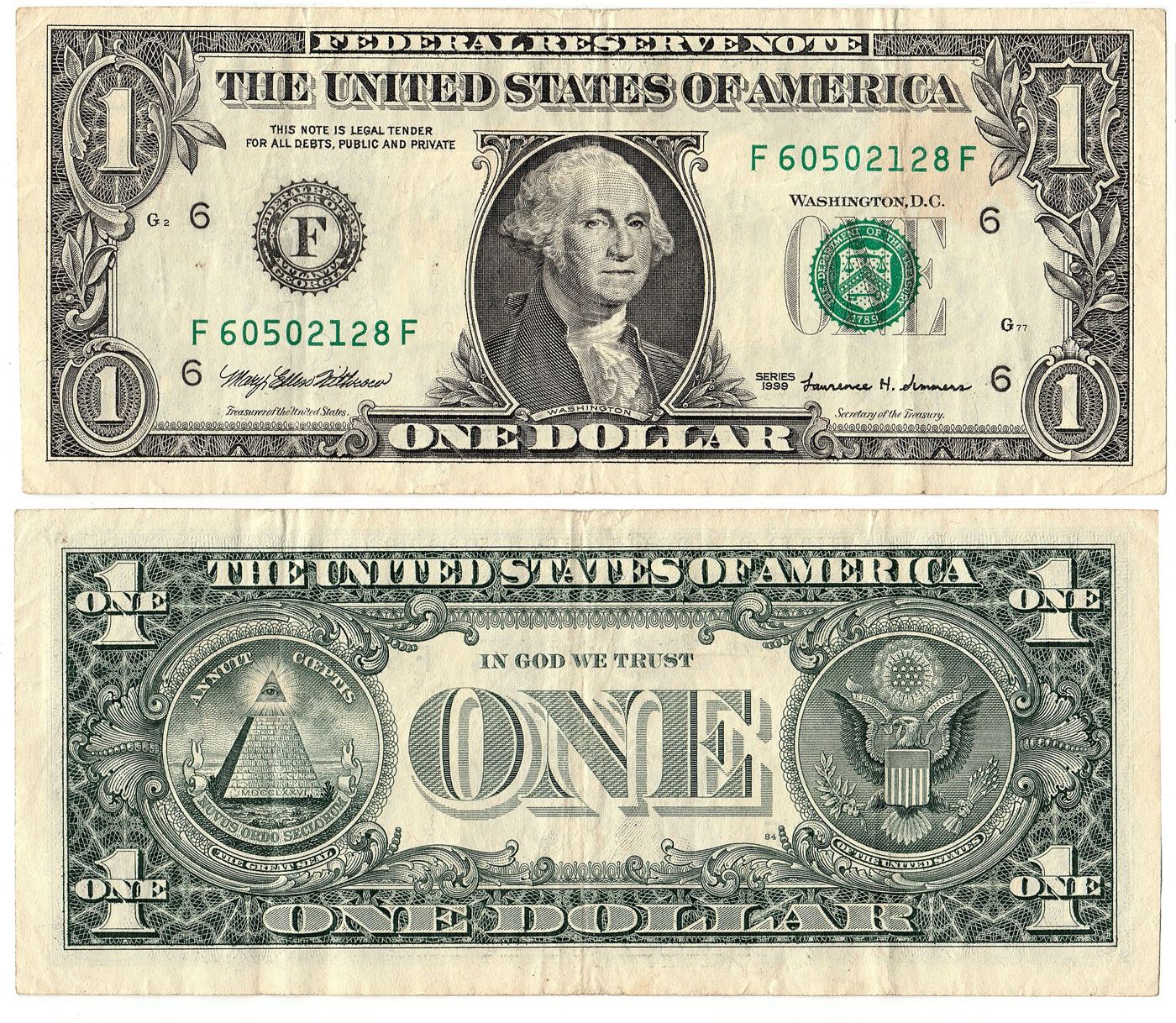
The United States dollar has risen to its highest level since April 2025 as traders price in further interest rate rises from the Federal Reserve. The DXY index, which measures the dollar against a basket of major currencies, climbed as the October inflation report came in hotter than expected, with consumer prices up 0.4 percent on the month. Markets now price in three further rate rises between December and next June, one more than at the start of November. The stronger dollar has helped push gold below 3,800 dollars an ounce and added pressure to stock markets around the world.
What the Evidence Shows
A strong dollar cuts both ways for the American economy. It makes imports cheaper and helps hold down inflation, but it makes American exports more expensive and squeezes the overseas earnings of multinational companies. For emerging markets, a rising dollar raises the cost of servicing debts priced in dollars and can trigger capital outflows. The currency’s rise also reflects the gap between American interest rates and those elsewhere, with the ten-year Treasury yield above 5 percent. If the Federal Reserve does raise rates in December, as markets expect, the dollar could climb further, extending a rally that has already caught many investors by surprise. Reporting and analysis from sources such as Financial Times track the same developments, and specialists following the dollar’s rise to a 19-month high say the direction is now consistent across independent lines of evidence.
The Wider Context
The wider context is a financial system repricing risk after a long era of cheap money. Decisions shaped by the dollar’s rise to a 19-month high are being made under closer supervisory attention, with stress tests and disclosure rules that assume conditions can worsen quickly. Institutions that planned for the benign case are adjusting in public, which is uncomfortable and healthy in equal measure.
What Happens Next
What happens next with the dollar’s rise to a 19-month high will be visible first in the data that professionals watch weekly: flows, spreads and the terms on new deals. Participants who spoke for this article expect a period of adjustment rather than drama, with the biggest effects landing on those who assumed the old conditions were permanent. Planning, as ever, is the cheapest hedge. You can follow related developments in our coverage of finance.
None of this will be settled by a single announcement, study or product launch. The pattern to watch is accumulation: independent confirmations, honest reporting of failures and steady improvement in the underlying numbers. Readers who follow those signals, rather than the loudest claim of the week, will understand this subject better than most of the commentary surrounding it suggests is possible.
There is a practical lesson in all of this for readers deciding what to do today. Start with the verified facts, be wary of anyone promising certainty, and prefer reversible steps while the evidence is still developing. Circumstances differ by country, income and personal situation, so general guidance should always be weighed against your own context before you act on it in any significant or lasting way.
Business
US Jobs Beat Forecasts as 165,000 Roles Added in October
American employers added 165000 jobs in October 2026, far more than the roughly 65000 that economists had expected, in a report that strengthened.

American employers added 165000 jobs in October 2026, far more than the roughly 65000 that economists had expected, in a report that strengthened the case for a December interest rate rise. The Bureau of Labor Statistics published the figures on November 6, showing unemployment falling to 4.1 percent from 4.2 percent, with August and September revised up by a combined 84000 jobs. The strong report came after the Federal Reserve held rates at 3.75 percent to 4 percent on October 28 in a 10 to 2 vote, with two officials dissenting in favour of an immediate rise. Sixteen of the 18 participants in the September projections pencilled in at least one further quarter point rise by the end of 2026.
What the Evidence Shows
A hot labour market makes it harder for the Federal Reserve to argue that the economy needs cheaper money, and it sits awkwardly beside the gloom on Wall Street, where stocks fell for six straight sessions in November. Consumer spending has also stayed strong, rising 3.8 percent in the third quarter as the economy grew 3.4 percent, and services spending rose 4.1 percent, led by food services and accommodation. The November jobs report on December 4 is the last major data point before the December 9 decision, and it could still change the outcome if hiring suddenly cools. For now, though, the jobs numbers point the same way as the inflation data, towards higher rates rather than lower ones. The report also showed that hiring stayed broad based across sectors, which is why the Federal Reserve now sees little urgency to cut rates to support the labour market. Reporting and analysis from sources such as World Bank track the same developments, and specialists following the strong October jobs report say the direction is now consistent across independent lines of evidence.
The Wider Context
For households and small firms, the strong October jobs report matters through prices and access rather than through market commentary. Changes at this level arrive as a rate on an offer letter, a fee on a statement or a product that quietly disappears from a comparison table. Consumer groups argue that transparency at exactly that point of decision is worth more than any amount of market-level reporting.
What Happens Next
The outlook for the strong October jobs report hinges on policy choices that will be made in the open over the coming quarters. Market participants are positioned for more than one outcome, which is why the immediate reaction to each announcement has been smaller than the commentary around it. For ordinary savers and borrowers, the advice from every quarter is the same: review your own position, not the headlines. You can follow related developments in our coverage of finance.
It is also worth remembering how quickly the picture in this area has changed before. Positions that looked settled a few years ago have been revised as new data arrived, and the same humility is appropriate now. The strongest coverage of this subject, and the most useful advice, tends to come from sources that update their views openly when the facts move, rather than defending an earlier position long after it has stopped fitting the evidence available.
Business
Big Tech Plans to Spend $730 Billion on AI in 2026
The four largest American technology companies are on course to spend between 720 and 740 billion dollars on capital projects in 2026, mostly to.
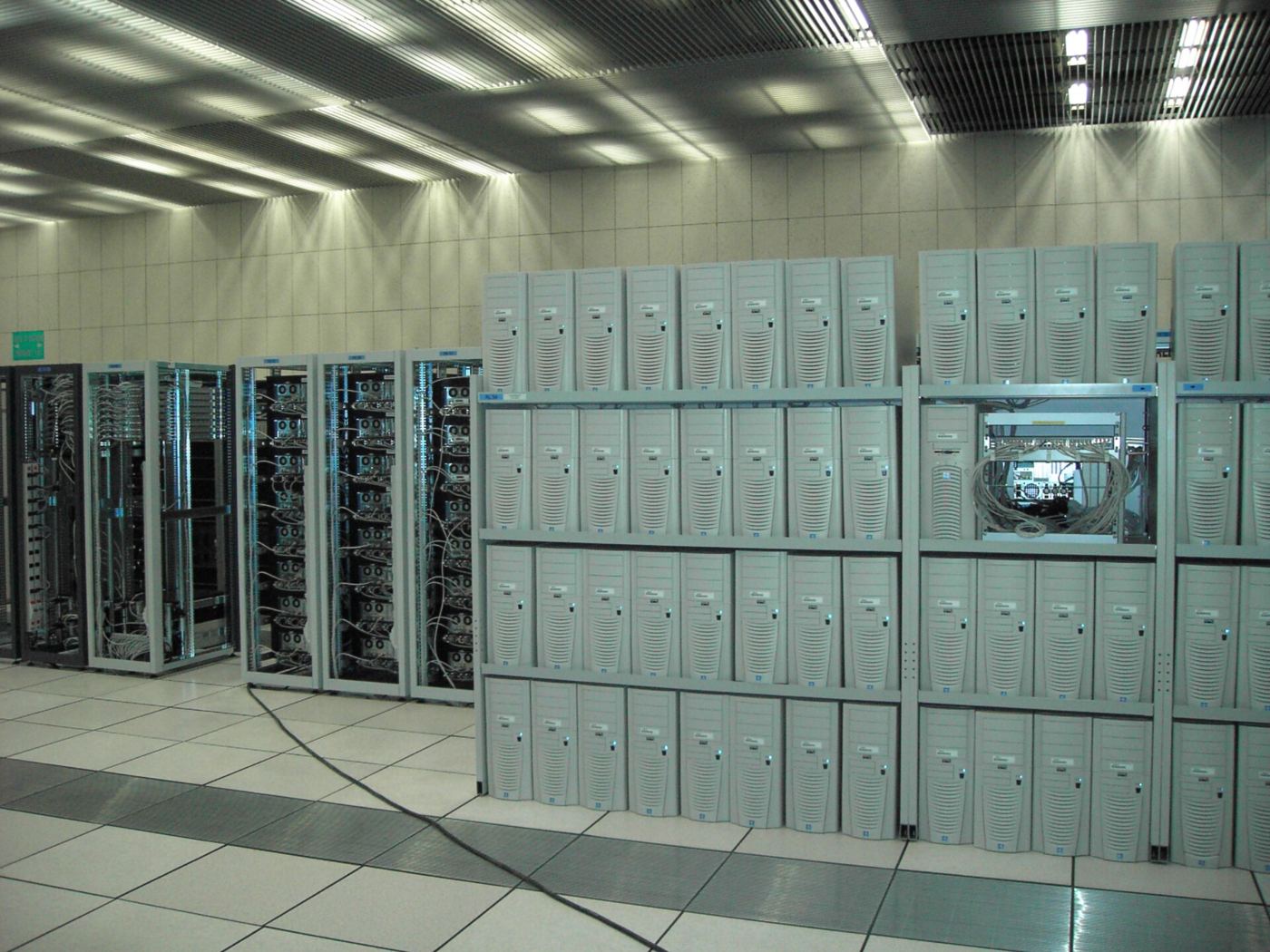
The four largest American technology companies are on course to spend between 720 and 740 billion dollars on capital projects in 2026, mostly to build the data centres and chips behind artificial intelligence. Combined revenue for Microsoft, Alphabet, Amazon and Meta rose 18.2 percent in the July to September quarter, from 411.4 billion dollars a year earlier to 486.4 billion dollars. Microsoft guided capital spending of about 170 billion dollars for calendar 2026 including leases, Alphabet guided 195 to 205 billion dollars, Amazon guided about 220 billion dollars of cash capital spending, and Meta narrowed its 2026 range to 135 to 145 billion dollars. In the latest quarter alone, Amazon bought 77.3 billion dollars of property and equipment, Alphabet spent 51.4 billion dollars and Microsoft spent 39.4 billion dollars.
What the Evidence Shows
The spending has split investors, since the companies reporting the strongest growth are also the ones burning the most cash to achieve it. Alphabet ran free cash flow of minus 9.1 billion dollars in the quarter, Amazon’s trailing free cash flow reached an outflow of 42.4 billion dollars, and Meta ran negative free cash flow of 2.1 billion dollars. Microsoft was the exception, keeping free cash flow positive at 18.6 billion dollars. All four companies say spending will rise further in 2027, with Amazon saying its 2027 capital spending will be meaningfully higher and Alphabet guiding to a significantly higher figure. The debate now is whether the artificial intelligence boom will generate enough revenue to pay for the biggest infrastructure build-out in corporate history, or whether the bill is growing faster than the returns. Reporting and analysis from sources such as Financial Times track the same developments, and specialists following the artificial intelligence spending boom say the direction is now consistent across independent lines of evidence.
The Wider Context
The wider context is a financial system repricing risk after a long era of cheap money. Decisions shaped by the artificial intelligence spending boom are being made under closer supervisory attention, with stress tests and disclosure rules that assume conditions can worsen quickly. Institutions that planned for the benign case are adjusting in public, which is uncomfortable and healthy in equal measure.
What Happens Next
What happens next with the artificial intelligence spending boom will be visible first in the data that professionals watch weekly: flows, spreads and the terms on new deals. Participants who spoke for this article expect a period of adjustment rather than drama, with the biggest effects landing on those who assumed the old conditions were permanent. Planning, as ever, is the cheapest hedge. You can follow related developments in our coverage of finance.
None of this will be settled by a single announcement, study or product launch. The pattern to watch is accumulation: independent confirmations, honest reporting of failures and steady improvement in the underlying numbers. Readers who follow those signals, rather than the loudest claim of the week, will understand this subject better than most of the commentary surrounding it suggests is possible.

Dollar Hits 19-Month High as Traders Bet on More Fed Hikes

Nasdaq Futures Jump 3% as Wall Street Attempts a Rebound After Rout

US Jobs Beat Forecasts as 165,000 Roles Added in October

Big Tech Plans to Spend $730 Billion on AI in 2026

US Economy Grows 3.4 Percent as Consumers Keep Spending

Japan Approves $135 Billion Stimulus in Takaichi’s First Big Economic Move

Supreme Court Weighs the Fate of Trump’s Tariffs

14 ExtraTorrent Proxy | Unblock All Extratorrents Sites

Facebook VIP Cover Photos

Jay Bhim Bio For Instagram

क्षत्रिय Bio For Instagram in Hindi

How to Fix a Redgifs Not Loading Issue: A Step-by-Step Guide

Instagram Bio Marathi

Islamic Bio For Instagram

 Tech3 years ago
14 ExtraTorrent Proxy | Unblock All Extratorrents Sites
- Facebook Bio2 years ago
Facebook VIP Cover Photos
- Instagram Bio2 years ago
Jay Bhim Bio For Instagram
- Instagram Bio2 years ago
क्षत्रिय Bio For Instagram in Hindi
- LATEST NEWS2 years ago
How to Fix a Redgifs Not Loading Issue: A Step-by-Step Guide
- Instagram Bio2 years ago
Instagram Bio Marathi
- Instagram Bio2 years ago
Islamic Bio For Instagram
- Tech2 years ago
Socialmediagirls Forums: A Great Way to Find New Friends